

by Nycole Walsh
I spent one very full day at Manifest and I’m still recovering.
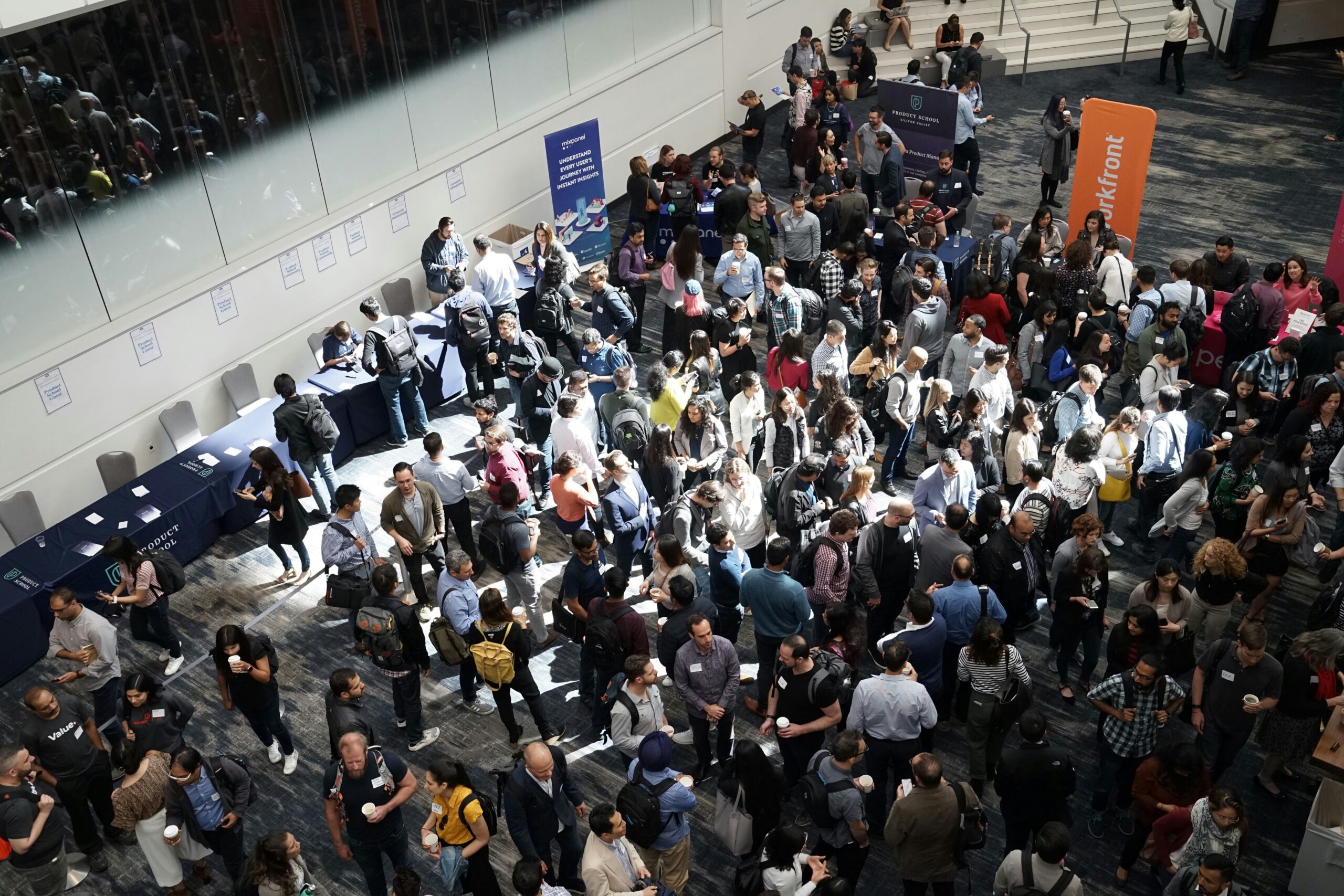
If you’ve never been, here’s the headline: it’s technically a supply chain conference. But that description undersells it. Manifest is a relationship conference disguised as a logistics show. The tech is flashy. The booths are massive. The robots are everywhere. But the real ROI? It’s who you bump into between sessions… and at the “after-hours everywhere” events that basically are the event.
Here’s what actually mattered.
1. AI Is Everywhere. But Proof Is the Currency.
You couldn’t walk ten feet without hearing “AI.” It was on every booth. Every demo. Every stage. To the point where it almost became background noise. But here’s the shift I felt in the room: the conversation is moving from hype to proof.
This wasn’t abstract “AI will transform logistics someday” talk. It was:
- Agentic products actively managing workflows
- Automation driving measurable cost savings
- Real deployments inside real warehouses
- Customer experience gains tied to specific metrics
Nearly every company claims AI now. That’s table stakes.
What stood out were the companies with measurable proof:
- What’s deployable today?
- What’s quantifiable?
- What survives if funding tightens?
- What actually works without blowing up your ops team?
There’s also a layer of healthy skepticism in the ecosystem. Manifest is a massive startup and investor hub. That’s energizing, but it also means not every logo on that show floor will be there in three years. Buyers are sharper. Budgets are scrutinized. “AI-powered” doesn’t cut it without a business case.
That tension is actually a good thing.
Because in this market, the differentiator isn’t who says AI the loudest. It’s who can document impact the clearest.
If your narrative stops at “AI-driven,” you’re invisible in a sea of sameness. If you can show deployment timelines, ROI, operator testimonials, and earned validation, you move from hype to credibility, and in 2026, credibility is the currency.
(If you’re thinking about this through a visibility lens, we’ve written extensively about how proof, citations, and real-world documentation shape AI-era findability in PR in the Age of AI.)
2. The Robots Weren’t the Point
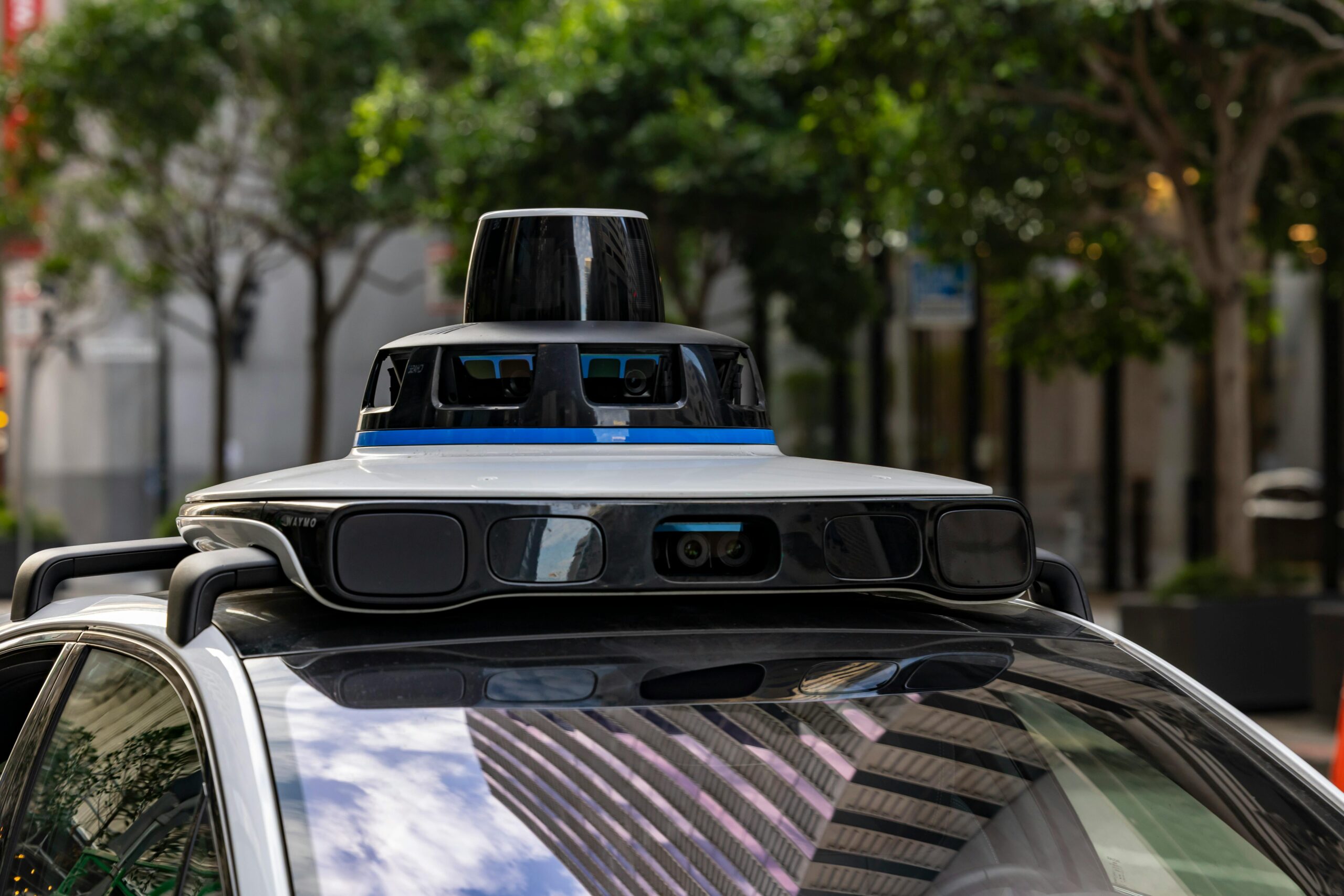
Yes, there were warehouse robots roaming the floor. Yes, they were cool. Yes, everyone took photos. But the robots were less about spectacle and more about starting conversations.
They were part of the sensory experience. Physical proof that automation isn’t theoretical anymore. You could see it, hear it, and in some cases almost trip over it.
And that’s what Manifest does well: it positions the ecosystem as fully integrated. Hardware. Software. Operators. Investors. Carriers. 3PLs. Everyone in one room talking about end-to-end transformation.
For a social-first lens, here’s the takeaway:
The tech draws you in. The operators, innovators, and partners keep you there.
3. We Were Only There for a Day. It Didn’t Matter.
Every recap I’ve read describes Manifest as nonstop meetings, 20k steps a day, and a social calendar that feels like a second full-time job. Receptions across the Strip. Constant run-ins. Dinners stacked on dinners.
It’s exhausting because the social is the strategy.
We were there for a day. And honestly? That was enough to confirm something important: the real value isn’t just the sessions. It’s the density of relationships.
The accidental coffee.
The “wait, I didn’t know you’d be here.”
The investor intro that turns into a customer conversation.
Conferences like this are less about stage time and more about proximity.
- Community Is Not a Side Quest
One of the things that stood out most to me was how intentional the community-building felt.
Women’s lunches. Awards. Smaller gatherings layered into the chaos.
In a space historically dominated by certain voices, these moments matter. They create entry points. They create visibility. They create momentum.
And if you zoom out, it mirrors something we see across industries: ecosystems that win are the ones that make room for more people to lead.
(If this theme resonates, our research on equitable leadership dives deeper into the structural shifts required at the top: Balancing the Boardroom.)
What This Means for Marketers in Logistics + Supply Chain
Here’s my hot take: supply chain is having its main-character moment. It’s operationally critical. It’s technologically evolving. And it’s finally culturally visible, but visibility without narrative is chaos.
If you’re a marketing leader in this space, you’re sitting on:
- Real operational transformation stories
- Tangible automation proof points
- AI deployments tied to customer outcomes
- An ecosystem that is actively talking to itself
Your job is to shape how your company is documented across the ecosystem, so when buyers, investors, or even AI systems summarize “who’s leading in X,” your brand is part of the answer.
Because in 2026, being good isn’t enough. You have to be findable. You have to be cited. You have to be trusted at scale.
And if Manifest proved anything, it’s this: the operators are ready. The tech is ready. The ecosystem is ready.
Now marketing needs to show up like it belongs there.